
When do you need a dental implant?
An implant replaces the root of a missing tooth. Not everyone is a candidate, and it is not always the best option.
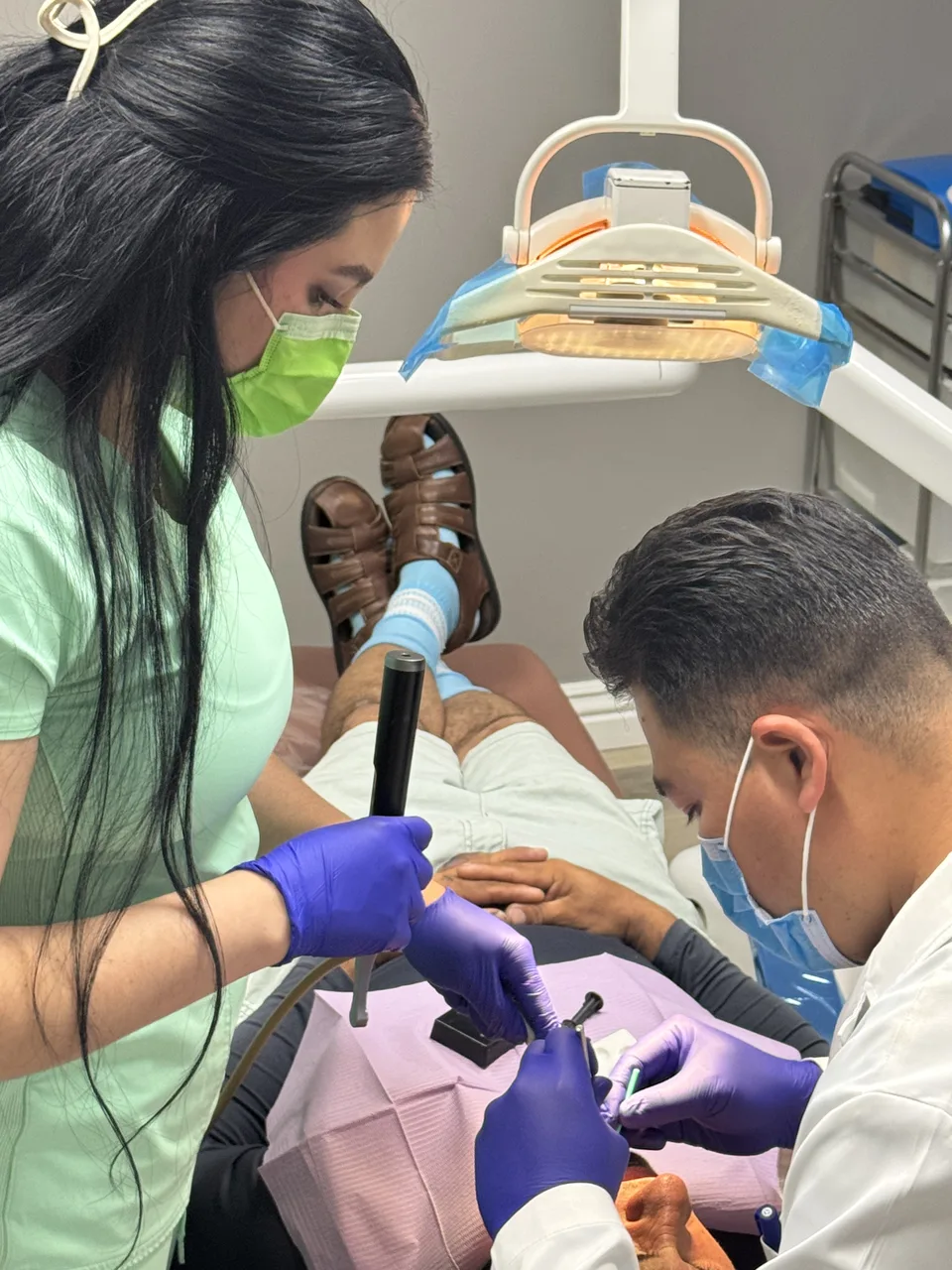
What it actually is
An implant is a small screw, usually titanium, placed in the bone to act as a root. The visible tooth — the crown — goes on top of it afterwards.
That is where it differs from other solutions: an implant supports itself, in the bone. A bridge, by contrast, rests on the teeth beside the gap, which have to be filed down for it — even if they are healthy.
When it comes up
The usual situations are these:
- A tooth is missing and you would rather not grind down its neighbors for a bridge
- Several are missing and you would rather not wear a removable denture
- A full denture moves and you want to anchor it
- A tooth cannot be saved and the replacement is planned from the start
Why leaving the gap matters
Jawbone maintains itself because chewing sends stimulus through the roots. When a tooth is missing, that area stops receiving it and the bone begins to resorb: volume is lost over time.
That has two practical consequences. Neighboring teeth tip toward the gap and the opposing tooth drifts down looking for contact, so the bite goes out of order. And if you want an implant later, there may no longer be enough bone without a graft first.
What it takes to be a candidate
Not everyone is, and it is worth knowing before getting attached to the idea. What gets assessed:
- Enough bone in height and width — and if not, whether it can be rebuilt
- Healthy gums: with active gum disease, that gets treated first
- General health and conditions such as diabetes well controlled
- Smoking: it markedly reduces implant success
- Growth finished, which in practice rules out teenagers
How long it takes
This is the part that surprises people most: an implant is not an afternoon. After placement there is a waiting period for the bone to integrate with the titanium — osseointegration — measured in months, not weeks.
A temporary solution can be worn during that time. The specific timeline depends on the case, on bone quality, and on whether a graft was needed.
The alternatives are real
An implant is not always the answer. A bridge can make sense if the neighboring teeth already need crowns for another reason. A removable denture can be the right call when many teeth are missing or when surgery is not advisable.
A provider who only offers you one option is not giving you a choice. At the consultation the goal is that you leave knowing what your alternatives are, what each involves, and how they differ.
Related service: Dental Implants